

Table of Contents
Introduction: Dropshipping and Ecommerce Stores Secrets to Scale Fast
Choosing the Right Niche for Your Dropshipping and Ecommerce Stores
Selecting Reliable Suppliers for Dropshipping and Ecommerce Stores
Creating an Irresistible Product Page
Optimizing Your Website for Speed and Mobile
Mastering Facebook and Instagram Ads
Email Marketing for Explosive Growth
Leveraging TikTok and YouTube for Organic Traffic
Implementing Upsells and Cross-Sells
Using Analytics to Make Data-Driven Decisions
Streamlining Order Fulfillment
Building a Strong Brand Identity
Implementing Social Proof to Boost Conversions
Scaling with Paid Search and Google Ads
Optimizing for SEO and Organic Traffic
Creating a High-Converting Checkout Experience
Implementing Subscription and Membership Models
Automating Customer Support
Expanding to International Markets
Using Influencer Marketing
Scaling Through Marketplaces
Tracking KPIs and Continuous Optimization
Conclusion: Mastering Dropshipping and Ecommerce Stores
If you’ve ever dreamed of building a thriving online business, understanding dropshipping and ecommerce stores is essential. Scaling a store from zero to six or seven figures may seem daunting, but with the right strategies, it’s completely achievable.
In this guide, we’ll reveal 21 secrets to help you scale your dropshipping and ecommerce stores fast, increase sales, and dominate your niche. Whether you’re a beginner or already running a store, these actionable tips will transform the way you approach online business growth.
READ ALSO: 20 Profitable Small Business Ideas with Low Startup Cost
1. Choosing the Right Niche for Your Dropshipping and Ecommerce Stores
Your first step in scaling dropshipping and ecommerce stores is picking the perfect niche. Avoid generic markets; instead, focus on a niche that has strong demand but low competition. Tools like Google Trends, AliExpress, and Shopify Insights can help you identify products people are actively searching for.
Subpoints:
- Identify Passion-Driven Niches: Products that people are emotionally invested in, such as fitness, pets, or hobby-based items, tend to sell more.
- Profit Margin Considerations: Ensure your products have at least a 30–50% margin to make scaling feasible.
- Trend Research: Stay ahead of trends using tools like TikTok, Instagram Reels, and Pinterest.

2. Selecting Reliable Suppliers for Dropshipping and Ecommerce Stores
A major factor in scaling dropshipping and ecommerce stores is having dependable suppliers. Poor supplier performance can kill your reputation and slow growth.
Subpoints:
- Use Verified Suppliers: Platforms like AliExpress, Oberlo, and Spocket have verified suppliers to ensure product quality.
- Negotiate Terms Early: Ask about bulk pricing, shipping times, and return policies to avoid issues as you scale.
- Test Products First: Order samples before adding them to your store to ensure they meet your standards.

3. Creating an Irresistible Product Page
Your product page can make or break your dropshipping and ecommerce stores. Customers need clear, compelling, and trustworthy information to convert.
Subpoints:
- High-Quality Images: Include multiple angles and lifestyle shots of the product.
- Persuasive Copywriting: Highlight benefits, not just features. Explain how the product solves problems.
- Urgency and Scarcity: Use phrases like “limited stock” or “only a few left” to encourage fast purchases.
- Customer Reviews: Display authentic reviews and testimonials to build trust.
4. Optimizing Your Website for Speed and Mobile
Fast websites lead to higher conversions. Dropshipping and ecommerce stores that load slowly lose customers fast.
Subpoints:
- Use a Lightweight Theme: Shopify, WooCommerce, and BigCommerce have optimized themes.
- Compress Images: Reduce file sizes without losing quality to improve load times.
- Mobile-First Design: Most ecommerce shoppers are on mobile devices. Ensure your store is fully responsive.
- Minimize Plugins and Apps: Too many add-ons can slow down your site.
CHECK OUT: 12 Best Profitable Online Business Ideas for 2026 You Must Try
5. Mastering Facebook and Instagram Ads
Paid advertising is crucial for scaling dropshipping and ecommerce stores fast. Facebook and Instagram ads allow you to target specific audiences with precision.
Subpoints:
- Start Small, Test Ads: Test multiple creatives and audiences with small budgets to see what converts.
- Use Retargeting: Re-engage visitors who didn’t buy with retargeting campaigns.
- Leverage Video Ads: Video content tends to convert better than static images, especially for product demos.
- Lookalike Audiences: Expand reach by targeting people similar to your best customers.

6. Email Marketing for Explosive Growth
Email marketing remains one of the most effective ways to scale dropshipping and ecommerce stores. Capturing leads and nurturing them can drive repeat sales.
Subpoints:
- Lead Magnets: Offer discounts or free guides to collect email addresses.
- Segment Your List: Personalize campaigns based on buyer behavior and interests.
- Automated Flows: Use abandoned cart emails, welcome series, and post-purchase emails to increase revenue.
- Analyze Metrics: Track open rates, click-through rates, and conversions to optimize campaigns.
7. Leveraging TikTok and YouTube for Organic Traffic
Social media platforms like TikTok and YouTube can dramatically increase traffic to dropshipping and ecommerce stores.
Subpoints:
- Create Entertaining Content: Short, engaging videos showcasing products can go viral.
- Educational Videos: How-to guides and tutorials build trust and authority.
- Influencer Partnerships: Collaborate with micro-influencers to reach targeted audiences.
- SEO Optimization: Optimize video titles, descriptions, and tags for search visibility.
8. Implementing Upsells and Cross-Sells
Increasing the average order value is a critical strategy for scaling dropshipping and ecommerce stores. Upsells and cross-sells are proven techniques.
Subpoints:
- Offer Complementary Products: Suggest items that go well with what the customer is buying.
- Tiered Discounts: Encourage customers to buy more with discounts at higher cart values.
- Post-Purchase Upsells: Present additional offers immediately after checkout to increase revenue.
READ: 10 Best Payment Platforms for Online Business (USA, UK, EU)
9. Using Analytics to Make Data-Driven Decisions
Data is the lifeblood of any growing dropshipping and ecommerce store. Without analytics, scaling is guesswork.
Subpoints:
- Track Key Metrics: Focus on conversion rate, average order value, return on ad spend, and customer acquisition cost.
- Use Google Analytics & Shopify Reports: Identify trends and underperforming products.
- A/B Testing: Experiment with headlines, images, and ad creatives to optimize performance.
- Customer Feedback: Regularly collect reviews and surveys to understand what drives satisfaction and loyalty.

10. Streamlining Order Fulfillment
Fast, reliable delivery is key for scaling dropshipping and ecommerce stores. Customers expect quick shipping and accurate tracking.
Subpoints:
- Automate Order Processing: Tools like Oberlo and Spocket can sync orders automatically with suppliers.
- Use Multiple Suppliers: Diversify to avoid delays and stock shortages.
- Offer Realistic Shipping Times: Set clear expectations to reduce refund requests.
- Track Shipments: Provide customers with tracking links to improve trust and satisfaction.
11. Building a Strong Brand Identity
A recognizable brand helps dropshipping and ecommerce stores stand out in crowded markets.
Subpoints:
- Consistent Visual Identity: Use consistent colors, fonts, and design elements across all platforms.
- Engaging Brand Story: Share your mission and values to connect emotionally with customers.
- Customer Experience: Ensure packaging, website, and customer service reflect your brand’s personality.
- Loyalty Programs: Reward repeat customers to foster brand loyalty.
12. Implementing Social Proof to Boost Conversions
Social proof can dramatically increase trust and sales for dropshipping and ecommerce stores.
Subpoints:
- Customer Reviews: Showcase genuine reviews on product pages and social media.
- Testimonials: Highlight satisfied customers’ stories and experiences.
- User-Generated Content: Encourage customers to share photos of products they purchased.
- Press Mentions: Feature media coverage to build authority.
EXPLORE: 7 Powerful Ways to Use AI to Build an Online Business Step-by-Step
13. Scaling with Paid Search and Google Ads
Paid search advertising can quickly drive targeted traffic to dropshipping and ecommerce stores. Google Ads allows you to capture buyers at the exact moment they are searching for products.
Subpoints:
- Keyword Research: Use Google Keyword Planner to identify high-intent keywords.
- Shopping Ads: Showcase products directly in search results for higher conversions.
- Retargeting Campaigns: Re-engage visitors who left your site without purchasing.
- Continuous Optimization: Adjust bids, test ad copy, and refine targeting to maximize ROI.
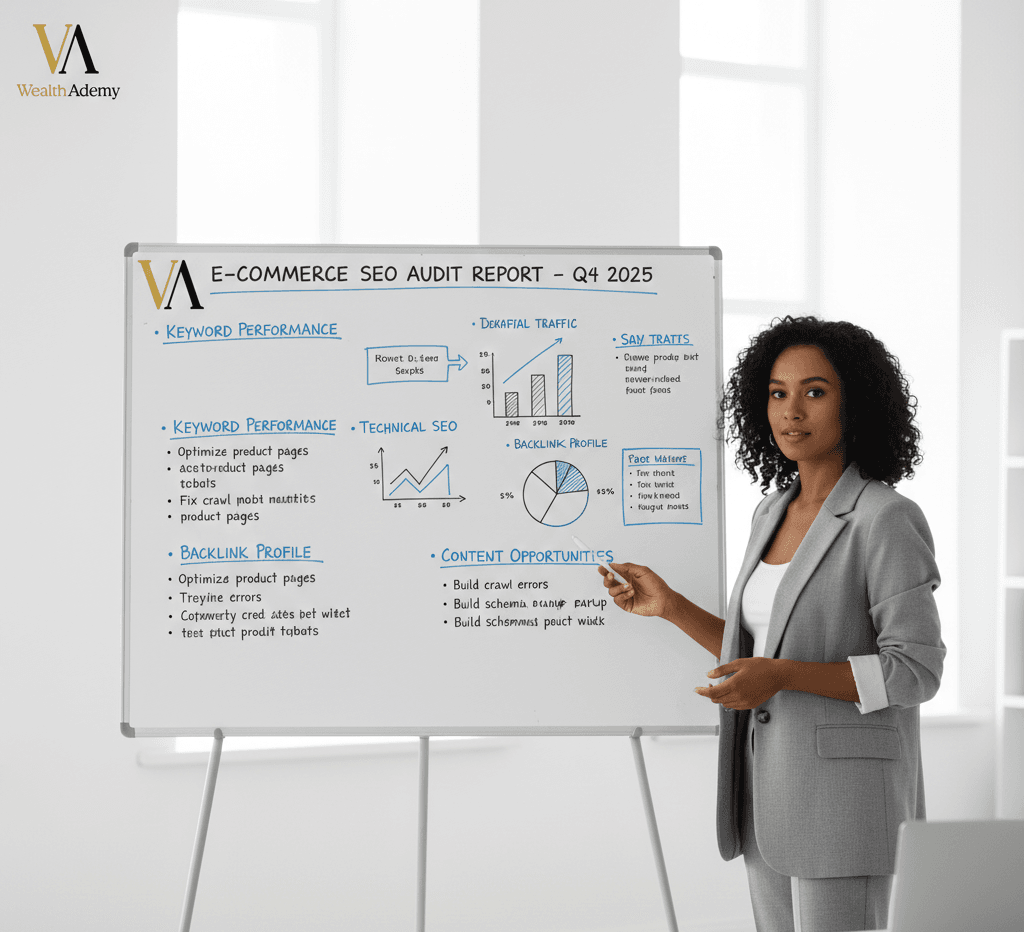
14. Optimizing for SEO and Organic Traffic
Organic traffic is a long-term strategy for scaling dropshipping and ecommerce stores. Optimizing product pages, blog content, and landing pages boosts visibility in Google.
Subpoints:
- Focus Keyword Placement: Include keywords naturally in the title, description, headings, and the first 100 words.
- Long-Tail Keywords: Target specific search queries to reduce competition.
- Content Marketing: Publish guides, tutorials, and product comparisons to drive traffic.
- Internal Linking: Connect relevant pages to improve SEO and navigation.
15. Creating a High-Converting Checkout Experience
A smooth checkout process increases conversions for dropshipping and ecommerce stores. Complicated or slow checkouts lead to cart abandonment.
Subpoints:
- One-Page Checkout: Reduce friction by limiting steps in the checkout process.
- Multiple Payment Options: Include credit cards, PayPal, Apple Pay, and local payment gateways.
- Trust Badges: Display secure checkout and money-back guarantee icons.
- Guest Checkout Option: Allow users to purchase without creating an account.
16. Implementing Subscription and Membership Models
Adding recurring revenue streams helps dropshipping and ecommerce stores scale faster and stabilize cash flow.
Subpoints:
- Subscription Boxes: Offer regular delivery of curated products.
- VIP Membership Programs: Provide exclusive deals, early access, and free shipping.
- Loyalty Points: Encourage repeat purchases with point-based rewards.
- Bundling Products: Package items for a higher average order value and customer retention.
DISCOVER: HOW TO AUTOMATE YOUR BUSINESS USING AI TOOLS – 7 POWERFUL SYSTEMS
17. Automating Customer Support
Excellent customer service is essential for scaling dropshipping and ecommerce stores efficiently. Automation reduces response time and improves satisfaction.
Subpoints:
- Chatbots: Use AI-powered chatbots to handle common inquiries 24/7.
- Helpdesk Systems: Platforms like Zendesk and Freshdesk organize tickets and track responses.
- FAQs & Knowledge Bases: Reduce repetitive questions with a well-structured FAQ page.
- Follow-Up Emails: Automatically check in with customers after purchase to improve retention.
18. Expanding to International Markets
Global expansion can multiply revenue for dropshipping and ecommerce stores. Reaching international customers opens new growth opportunities.
Subpoints:
- Market Research: Identify countries with high demand for your products.
- Currency & Language Options: Offer localized pricing and translations.
- International Shipping: Partner with logistics providers for reliable delivery.
- Localized Marketing Campaigns: Use ads, influencers, and social media tailored to each country.

19. Using Influencer Marketing
Influencer marketing boosts brand credibility and drives targeted traffic to dropshipping and ecommerce stores.
Subpoints:
- Micro-Influencers: Collaborate with smaller influencers who have highly engaged audiences.
- Product Reviews: Provide free products in exchange for authentic reviews.
- Giveaways & Contests: Increase brand awareness and social engagement.
- Track ROI: Measure influencer-driven sales using unique discount codes or affiliate links.
20. Scaling Through Marketplaces
Expanding your products to marketplaces can rapidly grow dropshipping and ecommerce stores.
Subpoints:
- Amazon & eBay: Leverage established marketplaces for credibility and traffic.
- Etsy for Niche Products: Ideal for handmade or creative items.
- Multichannel Management: Use tools like Sellbrite to manage inventory across platforms.
- Competitive Pricing Strategies: Monitor competitors to stay competitive while maintaining margins.
READ: Best Small Businesses to Start With No Money: 15 Powerful Wealth Paths
21. Tracking KPIs and Continuous Optimization
The final secret to scaling dropshipping and ecommerce stores is constant measurement and optimization.
Subpoints:
- Key Performance Indicators (KPIs): Monitor revenue, conversion rates, ad ROI, and customer lifetime value.
- Regular Audits: Review website performance, ads, and customer feedback.
- Test New Strategies: Always A/B test new products, ads, and content.
- Adapt to Trends: Stay flexible and quickly implement changes based on market shifts.
Mastering Dropshipping and Ecommerce Stores
Scaling dropshipping and ecommerce stores fast is a combination of strategy, consistency, and innovation. By choosing the right niche, building a strong brand, leveraging marketing, and continuously optimizing operations, you can grow your store from zero to six or seven figures. Apply these 21 secrets systematically, track your results, and never stop learning. The path to success in ecommerce is not a sprint—it’s a series of strategic, calculated steps that compound over time.
Start implementing these secrets today, and watch your dropshipping and ecommerce stores reach unprecedented heights.
OTHER ARTICLES THAT MIGHT INTEREST YOU:
How to Start a Business Without Money Today (7 Ways)
7 Best AI Tools to Transform Your Business | Achieve More
How to Use AI Tools to Grow Your Small Business Fast | 12 Proven Ways
Frequently Asked Questions (FAQs)
Q1: What is dropshipping and ecommerce stores?
A: Dropshipping and ecommerce stores are online businesses where you sell products without holding inventory. In dropshipping, suppliers handle storage and shipping, while you focus on marketing, sales, and scaling your store. This model allows entrepreneurs to start businesses with minimal upfront costs.
Q2: How can I scale my dropshipping and ecommerce stores fast?
A: You can scale your dropshipping and ecommerce stores fast by choosing the right niche, optimizing product pages, leveraging paid ads on Facebook, Instagram, and Google, implementing email marketing automation, and using upsells, cross-sells, and subscription models to increase revenue.
Q3: Do I need to create my own products to run an ecommerce store?
A: No. With dropshipping and ecommerce stores, you can sell products supplied by verified suppliers. This allows you to focus on marketing, branding, and customer experience instead of manufacturing products.
Q4: What are the best platforms for dropshipping and ecommerce stores?
A: Popular platforms include Shopify, WooCommerce, BigCommerce, and Wix. Each platform offers tools for product management, website optimization, analytics, and integrations with suppliers to help you scale your dropshipping and ecommerce stores.
Q5: How important is social media marketing for ecommerce stores?
A: Social media is crucial. Platforms like TikTok, Instagram, and YouTube help you reach targeted audiences, generate organic traffic, and drive conversions. Influencer marketing and paid social ads also accelerate growth for dropshipping and ecommerce stores.
Q6: Can I scale internationally with dropshipping and ecommerce stores?
A: Yes. Expanding internationally opens new revenue streams. Offer localized pricing, translations, and international shipping options. Target high-demand markets with paid ads and influencers to scale your store globally.
Q7: How do I handle customer service for my ecommerce store?
A: Automate customer service using chatbots, helpdesk platforms, and a comprehensive FAQ page. Regular follow-up emails and proactive support improve customer satisfaction and retention, which is essential for scaling dropshipping and ecommerce stores.
Q8: How can I improve my ecommerce store’s conversion rates?
A: To improve conversion rates, optimize your product pages with high-quality images, persuasive copy, social proof, and trust badges. Streamline the checkout process, offer multiple payment options, and use upsells, cross-sells, and retargeting campaigns to boost sales.
Q9: Do dropshipping and ecommerce stores require SEO?
A: Absolutely. SEO is critical for organic traffic. Optimize product pages, blog content, and landing pages with focus keywords, long-tail keywords, and internal linking. This improves search engine visibility and reduces reliance on paid ads.
Q10: What are the top mistakes to avoid when scaling ecommerce stores?
A: Common mistakes include choosing a saturated niche, relying on a single supplier, ignoring website speed and mobile optimization, running ads without testing, neglecting email marketing, and failing to track key metrics like conversion rates and customer acquisition costs.
Q11: How can email marketing help dropshipping and ecommerce stores?
A: Email marketing drives repeat purchases and increases revenue. Use lead magnets, segmented lists, automated workflows, abandoned cart emails, and post-purchase follow-ups to nurture customers and scale your dropshipping and ecommerce stores.
Q12: Can I run a dropshipping and ecommerce store part-time?
A: Yes. With automation tools, social media marketing, and supplier integration, you can manage a dropshipping and ecommerce store part-time while focusing on growth strategies to eventually scale full-time.
Q13: How long does it take to scale dropshipping and ecommerce stores?
A: Scaling depends on your strategy, niche, marketing, and product demand. With the right approach, many entrepreneurs see measurable growth in 3–6 months, but achieving six-figure revenue may take 6–12 months of consistent effort.
Q14: What products sell best for dropshipping and ecommerce stores?
A: High-demand, trending, or niche-specific products perform best. Examples include fitness accessories, smart gadgets, eco-friendly products, pet supplies, fashion items, and hobby-focused products. Market research is key to identifying winning products.
Q15: How do I measure success for my ecommerce store?
A: Track key metrics like sales revenue, conversion rates, average order value, return on ad spend, customer lifetime value, traffic sources, and cart abandonment rates. Regularly analyzing these metrics helps you optimize strategies and scale dropshipping and ecommerce stores effectively.