

Managing money is hard when your income is small. You work hard, but at the end of the month, it feels like there’s nothing left. You might worry about bills, food, rent, school fees, or emergencies. The truth is, whether you earn little or more, you can still take control of your finances. Learning how to manage your money when your income is small is not about being perfect. It is about making small, smart choices consistently.
This article will show you step by step how to control your spending, save money, and even grow your income when it seems impossible. These strategies are used by people worldwide, in the USA, UK, Africa, India, and everywhere. No matter your salary, these simple tips will help you manage your money, reduce stress, and start building financial freedom.
1. Know Where Your Money Goes
The first step to managing your money is knowing exactly where every dollar goes. Most people spend without thinking and do not realize how small expenses add up.
Start by writing down:
- Rent or mortgage
- Utilities
- Food
- Transport
- Phone bills
- School fees
- Entertainment
- Small daily expenses like coffee or snacks
This may take 1–2 months to see patterns. Knowing your spending habits helps you control them. You cannot manage your money well if you do not know where it is going.
2. Make a Simple Budget You Can Follow
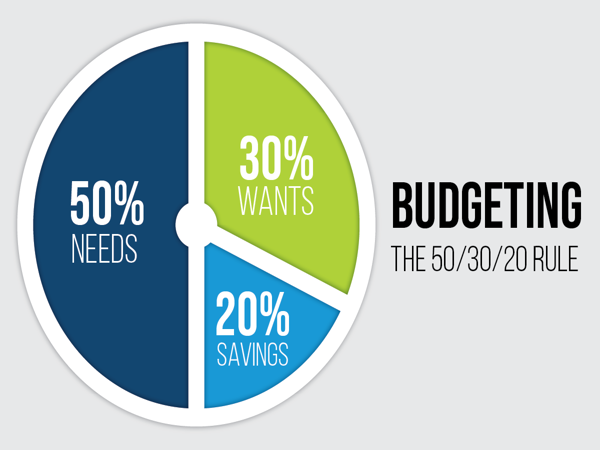
Budgeting does not need to be hard. When your income is small, simplicity matters. One method is:
- 50% Needs: Food, bills, rent
- 30% Wants: Small treats, entertainment
- 20% Savings: Even a small amount counts
If your income is very low, adjust: 60% for needs, 30% for wants, 10% for savings. The key is to plan your money before you spend it. Budgeting is one of the easiest ways to manage your money and avoid running out before payday.
3. Cut Unnecessary Expenses
When your income is small, every dollar counts. Start by looking at expenses you can cut:
- Unused subscriptions
- Expensive coffee or snacks
- Eating out too often
- Extra data or internet plans you don’t need
- Impulse shopping
These small changes can free up extra money to save or pay bills. This is one of the most powerful ways to manage your money when income is limited.
4. Track Every Penny You Spend
Tracking money is essential. You can use apps or even a simple notebook. Write down every expense. At the end of the week, see where your money went.
This shows you:
- Hidden spending
- Where can you cut
- What habits waste your money
Tracking is a simple habit, but one of the best ways to manage your money and avoid surprises at the end of the month.
READ: How to Boost Your Credit Score Fast: 11 Proven Steps to Save Big Money
5. Save Even Small Amounts
Many people think saving is impossible with a small income. It is not. Even saving $1, £1, or ₹50 daily adds up over time.
Try these tips:
- Put a fixed amount in a jar or savings account every day
- Automate saving if possible
- Save “found money” like gifts or bonuses
Saving is not about amount; it is about consistency. When you save, you feel more in control. Learning to save is key to managing your money.
6. Pay Yourself First
Before paying bills or spending, set aside a small amount for yourself. Even 5–10% of your income can be used for savings or investment.
This habit changes your mindset. Instead of saving what is left, you save first. This is one of the most important principles to manage your money when your income is small.
7. Avoid Bad Debt
Debt can destroy a small income fast. Avoid borrowing for things you do not need. Small loans, credit card debt, or payday loans can trap you.
If you already have debt:
- Pay off high-interest debt first
- Use the snowball method for multiple debts
- Avoid taking new unnecessary loans
Managing debt is essential to managing your money and starting to grow financially.
8. Increase Your Income Gradually
When your income is small, managing money is harder. The solution is to increase your income. You can:
- Start a side hustle online or offline
- Offer skills as freelance work
- Sell products or digital services
- Work extra hours or part-time work
Even small income increases make a big difference over months. More money means more control and the ability to save.
READ: 21 Smart Passive Income Ideas That Will Make You Rich
9. Plan for Emergencies
Emergencies happen to everyone. A small emergency fund protects you from stress.
Start with:
- $50–$100 saved gradually
- Keep it in a separate account
- Only use it for real emergencies
Having a small emergency fund is a safety net and helps you manage your money without panic.
10. Use Free Tools and Apps
Technology can help you manage money better. Free apps for budgeting, tracking, and saving include:
- Mint
- GoodBudget
- YNAB (You Need a Budget)
- Google Sheets
Using these apps makes it easier to see your money, track spending, and stay organized.
11. Plan Your Meals and Shopping
Food is often the largest monthly expense. You can save money by:
- Making a shopping list before buying
- Cooking at home instead of eating out
- Buying in bulk for staples
- Avoiding impulse buys
This is a simple habit that helps you manage your money effectively and stretch your income further.
12. Avoid Lifestyle Inflation
When income increases even slightly, people often spend more instead of saving. Avoid this trap.
- Keep your lifestyle consistent
- Save or invest extra income
- Do not buy unnecessary luxury items
Controlling spending as your income grows is one of the smartest ways to manage your money for long-term wealth.
READ: 7 Powerful WEALTH-BUILDING Strategies That Transform Your Financial Future
13. Track Progress Monthly
At the end of every month, review:
- How much did you earned
- How much did you spent
- How much you saved
- What habits worked or failed
Tracking progress helps you stay motivated. It shows small wins and encourages you to manage your money better each month.
14. Use the 24-Hour Rule

Before buying non-essential items, wait 24 hours. Most impulse purchases will disappear after thinking.
This simple rule prevents wasted money and helps you manage your money when income is small.
15. Focus on Needs First
Always prioritize essential expenses before wants. Needs include:
- Food
- Shelter
- Bills
- Transportation
Wants include:
- Gadgets
- Dining out
- Entertainment
- Fashion
Prioritizing needs helps avoid overspending and stress.
16. Avoid Keeping Up with Others
Social pressure can ruin your finances. Avoid comparing your lifestyle with friends, colleagues, or online influencers.
Spend what you can afford and focus on your own financial goals. This mindset helps you manage your money and avoid unnecessary debt.
READ: 7 Proven Ways to Build Multiple Streams of Income
17. Learn About Money Every Day
Financial education is free and powerful. Read blogs, watch videos, or listen to podcasts about:
- Budgeting
- Saving
- Investing
- Entrepreneurship
Every little lesson can improve how you manage your money and grow wealth, even on a small income.
18. Set Small Goals and Reward Yourself
Set small goals like saving $10 weekly or reducing entertainment spending by 50%. When you hit them, reward yourself in a small, affordable way.
This keeps motivation high and teaches you discipline to manage your money consistently.
19. Think Long-Term
Managing money is not only about today. Think months and years ahead. Small, consistent savings and smart spending compound over time.
Even if your income is small, consistency is the key to building wealth.
20. Avoid Multiple Loans or Credit Cards
Having many debts or cards increases stress. Focus on one debt or card at a time. Paying off one at a time helps manage your money better and reduces confusion.
Category:
- Money & Finance
High SEO Tags:
- manage your money
- money management tips
- personal finance
- budgeting tips
- saving money
- how to save money
- small income finance
- financial planning
- side hustle ideas
- how to make money
- wealth building
- finance tips for beginners
21. Start a Side Hustle That Fits Your Skills
When income is small, relying on one source is risky. Side hustles are one of the fastest ways to grow income. Choose something that fits your skills, schedule, and interests.
Ideas include:
- Freelancing: writing, design, virtual assistance
- Teaching: online classes, tutoring
- Selling products: handmade crafts, digital downloads
- Dropshipping or print-on-demand
- Social media management
Even a few extra dollars per week can make a huge difference in your ability to manage your money.
22. Learn High-Income Skills
Investing in yourself is one of the most profitable ways to increase income. High-income skills include:
- Copywriting
- Graphic design
- Digital marketing
- Programming
- Video editing
- Sales
By learning one of these skills, you can start freelancing or getting a higher-paying job, which makes managing your money easier.
23. Automate Savings and Bills
Automation is key when income is small. Set up automatic transfers for:
- Savings account
- Emergency fund
- Bills
Automating these ensures you save first and spend what remains, a method used by financially disciplined people to manage their money efficiently.
24. Use Cash Envelopes for Discretionary Spending
One of the best ways to control spending is the envelope system:
- Allocate cash for categories like groceries, transport, and entertainment
- Once the cash is gone, no more spending in that category
This method makes managing money tangible and keeps spending within limits.
25. Take Advantage of Free Resources
Don’t spend money unnecessarily when free options exist. Use:
- Free educational courses online
- Free budgeting apps
- Free productivity tools
- Free business templates
This saves money and teaches you how to manage your money wisely.
26. Sell Things You Don’t Use
Selling items you no longer need can create extra cash. Consider:
- Old electronics
- Clothes
- Books
- Furniture
This small extra income can go directly into savings or an emergency fund. It also reduces clutter and teaches financial discipline.
27. Focus on Small Wins
When income is low, focus on small victories:
- Saving $5 a day
- Cutting one subscription
- Paying off a small debt
Small wins build momentum. Each success reinforces habits to manage your money.
28. Avoid Lifestyle Inflation
When earning a little more, it’s tempting to spend more. Avoid upgrading your lifestyle immediately. Instead:
- Save the extra income
- Invest in tools or education that increase earning potential
- Avoid unnecessary purchases
This ensures your money grows instead of disappearing, helping you manage your money long-term.
29. Meal Prep and Cook at Home
Food costs take a large chunk of a small income. Save by:
- Planning meals weekly
- Buying in bulk
- Cooking at home
- Avoiding takeout
This simple habit frees money to save or invest.
30. Negotiate Bills and Subscriptions
Call service providers to negotiate:
- Internet
- Phone plans
- Rent
- Utilities
Even small reductions each month add up. Negotiating is a powerful strategy to manage your money effectively.
31. Invest Small Amounts Regularly
Even small investments grow over time. Options include:
- Index funds
- ETFs
- Robo-advisors
- Micro-investment apps
Start with what you can afford. The habit of investing is more important than the amount when income is small.
32. Avoid Impulse Purchases
Impulse buying destroys small budgets. Tips to control it:
- Wait 24 hours before buying non-essential items
- Ask yourself: “Do I really need this?”
- Limit shopping trips
By controlling impulses, you can manage your money and prioritize essentials.
33. Learn to Negotiate for Higher Income
Even small raises matter. Learn negotiation skills to:
- Get a salary increase
- Charge more for freelance work
- Increase business prices
Negotiation directly impacts your ability to manage your money and grow wealth.
34. Set Realistic Financial Goals
Goals make money management purposeful. Examples:
- Save $100 in three months
- Pay off a credit card in 6 months
- Increase income by 20% this year
Goals give direction and help you track progress. They motivate you to manage your money effectively.
35. Track Your Net Worth
Your net worth shows the difference between what you own and what you owe. Track it monthly. It includes:
- Savings
- Investments
- Debts
Tracking net worth helps you see the bigger picture, motivating better money habits.
36. Use Technology to Reduce Costs
Tech can save you money when used wisely:
- Compare prices online before buying
- Use cashback apps
- Take advantage of free trials
- Use budgeting apps
This approach helps stretch a limited income and manage your money efficiently.
37. Avoid Comparing Yourself to Others
Social media often makes people feel they are behind. Avoid comparing income or lifestyle. Focus on your own growth.
Comparing creates stress and bad financial choices. Staying focused is key to managing your money wisely.
38. Learn From Successful People
Watch and read about people who started with little and grew wealthy. Learn their strategies for:
- Saving
- Budgeting
- Investing
- Earning more
This inspiration and knowledge guide your own financial choices.
39. Reduce Transportation Costs
Transportation can take a big part of a small income. Ways to save:
- Walk or bike when possible
- Use public transport
- Carpool
- Plan trips to reduce multiple commutes
This frees money for other essentials and helps manage your money.
40. Avoid “Keeping Up With Others” Trap
Lifestyle comparison leads to overspending. Do not buy things to impress friends or family. Focus on your goals.
This is critical to manage your money when income is small.
41. Build Financial Discipline Slowly
Discipline is developed over time. Start with small habits:
- Track spending
- Save a little
- Avoid impulse buys
Small, consistent steps help you manage your money long-term.
42. Reward Yourself in Small Ways
Managing money does not mean deprivation. Celebrate small wins:
- A small treat
- A movie night
- Buying something you planned
This keeps motivation high while learning to manage your money.
43. Educate Yourself About Finance
Knowledge is the best investment. Learn about:
- Budgeting
- Saving
- Investments
- Business growth
- Side hustles
The more you know, the better decisions you make to manage your money.
44. Track and Reduce Energy Costs
Utilities are often overlooked. Tips:
- Turn off lights and appliances when not in use
- Use energy-saving bulbs
- Avoid leaving devices on standby
Reducing bills saves money for savings or investments.
45. Take Advantage of Free Entertainment
Entertainment does not need to be expensive. Use:
- Free online courses
- Free local events
- Public parks
- Free streaming platforms
This keeps life enjoyable while keeping money under control.
46. Avoid Unnecessary Fees
Watch out for bank fees, late payment penalties, or extra charges. These small losses add up. Avoiding fees is one of the simplest ways to manage your money effectively.
47. Learn to DIY When Possible
Instead of paying for services:
- Cook at home
- Fix small household items yourself
- Learn basic tech solutions
Doing it yourself saves money and builds independence.
48. Focus on One Goal at a Time
If income is small, focus on one financial goal at a time:
- Saving
- Debt repayment
- Investing
Prioritizing avoids spreading yourself too thin and ensures steady progress.
49. Avoid Impulsive Social Spending
Social gatherings can strain budgets. Tips:
- Plan outings within your budget
- Avoid unnecessarily expensive events
- Suggest free or low-cost alternatives
This habit is critical to manage your money when resources are limited.
50. Stay Consistent and Patient
Managing money on a small income takes time. Be patient. Small habits compound into big results. Track, adjust, and stay disciplined.
Consistency is the most important key to managing your money and eventually growing income and wealth.
If you found this article on “How to manage your money when your income is small” helpful, please leave a comment below or send us a direct message using the form below if you have any questions or need additional information.
Pingback: How To Start A Business Without Money Today (7 Ways)
Pingback: Best Freelance Skills To Learn In 2026 That Pay Well
Pingback: How To Open A Domiciliary Account Online: 7 Powerful Wins