
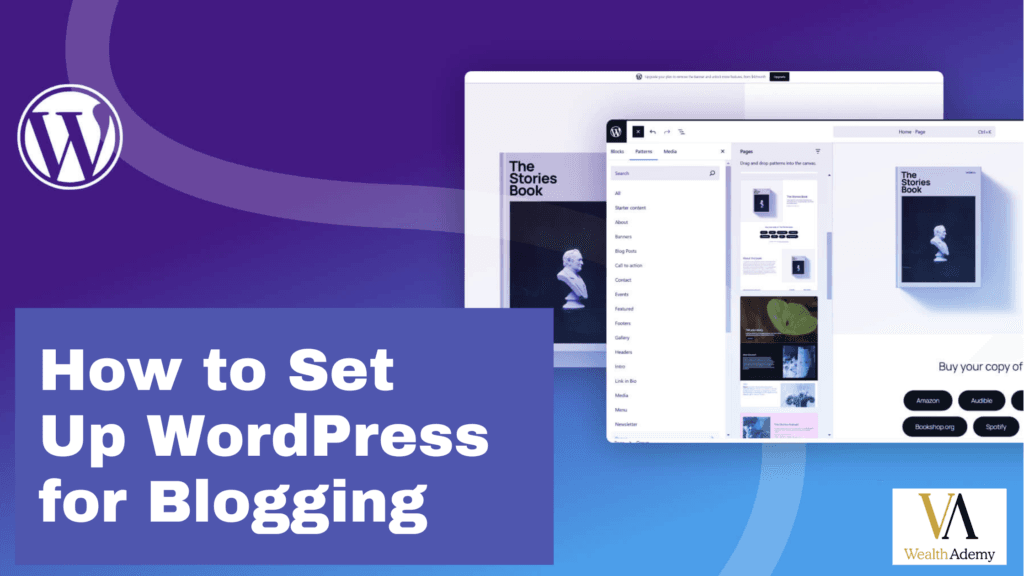
If you want to build a blog that gets approved by Google AdSense and makes real money, everything starts with how to set up WordPress for blogging the right way.
Many beginners rush through this stage. They install WordPress randomly, choose the wrong settings, publish content, then wonder why their site looks unprofessional, loads slowly, or gets rejected by AdSense.
This guide exists to prevent that.
In this article, you will learn how to set up WordPress for blogging from scratch, even if you have never touched a website before. No assumptions. No skipped steps. No technical jargon.
By the end of this guide, you will have:
• A clean, professional WordPress blog
• The correct settings for AdSense approval
• A structure Google trusts
• A site ready for content and monetization
This is not a theory. This is a practical walkthrough you can follow while setting up your blog in real time.
Learn How to Start a Blog and Make Money from It: 11 Powerful Proven Secrets for Serious Success
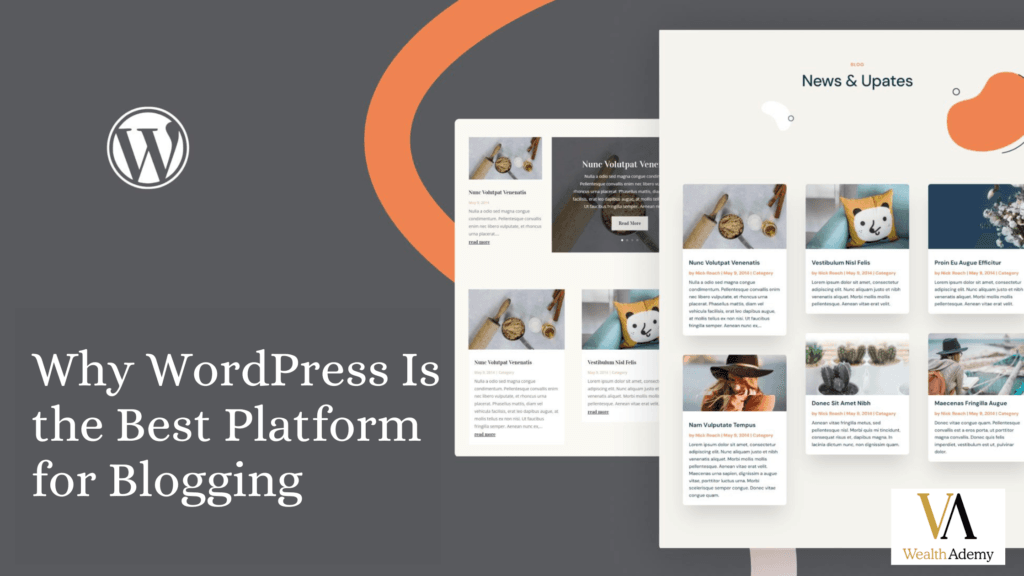
Why WordPress Is the Best Platform for Blogging
Before learning how to set up WordPress for blogging, you need to understand why WordPress is recommended by almost every professional blogger.
WordPress powers over 40 percent of websites on the internet. Google understands WordPress very well, which makes it easier to rank and get approved for AdSense.
WordPress Gives You Full Control
With WordPress, you control:
• Your content
• Your ads
• Your design
• Your monetization
Free platforms limit ads, restrict design, and sometimes ban accounts without notice. WordPress does not.
WordPress Is AdSense Friendly
Google AdSense prefers websites that:
• Load fast
• Are easy to navigate
• Follow content guidelines
• Look professional
WordPress allows you to meet all of these requirements.
Step 1: Prepare What You Need Before Installing WordPress
Before you begin learning how to set up WordPress for blogging, make sure you have the following ready.
What You Must Have
- A domain name
This is your website address, for example, yourblog.com - A hosting account
This is where your website files live - A working email address
Used for WordPress admin access and notifications
Most hosting companies provide one-click WordPress installation, which makes this process beginner-friendly.
Step 2: Install WordPress on Your Hosting
This is where the real setup begins.
Most hosting providers use cPanel or a custom dashboard. The steps are similar.
How to Install WordPress Step by Step
- Log in to your hosting dashboard
- Locate the WordPress installer or Softaculous
- Click Install WordPress
- Choose your domain name
- Leave the directory field empty so WordPress installs on the main site
- Create an admin username
Avoid using admin as a username - Create a strong password
- Enter your admin email address
- Click Install
Within seconds, WordPress will be installed.
This step completes the technical part of how to set up WordPress for blogging.
Step 3: Log in to Your WordPress Dashboard
Once installation is complete, you need to access your WordPress admin area.
How to Access WordPress Dashboard
- Open your browser
- Type yourdomain.com/wp-admin
- Enter your username and password
- Click Login
You will now see the WordPress dashboard.
This dashboard is where all blogging activities happen.
Understanding the WordPress Dashboard Layout
Before making changes, understand what each section does.
Main Dashboard Sections
• Posts
Where do you write blog articles
• Pages
For About, Contact, Privacy Policy
• Appearance
For themes and design
• Plugins
For added functionality
• Settings
For core website configuration
Understanding this layout helps you confidently continue learning how to set up WordPress for blogging.
Step 4: Choose the Right WordPress Theme for Blogging
Your theme affects:
• Site speed
• User experience
• AdSense approval
• Reader trust
Characteristics of a Good Blogging Theme
Choose a theme that is:
• Clean and simple
• Mobile responsive
• Fast loading
• AdSense friendly
• Easy to customize
Avoid themes with:
• Too many animations
• Heavy sliders
• Popups everywhere
How to Install a WordPress Theme
- Go to Appearance
- Click Themes
- Click Add New
- Search for a lightweight theme
- Click Install
- Click Activate
Recommended beginner-friendly themes include simple blogging themes available inside WordPress.
This step is critical when learning how to set up WordPress for blogging properly.
Step 5: Configure Essential WordPress Settings
Many beginners skip this step and regret it later.
Proper settings improve SEO, user experience, and AdSense approval chances.
General Settings
- Go to Settings
- Click General
Set the following:
• Site title, your blog name
• Tagline, what your blog is about
• Admin email address
• Timezone, choose your location
Save changes.
Reading Settings
- Go to Settings
- Click Reading
Set:
• Your homepage displays the latest posts
• Search engine visibility, ensure unchecked
This allows Google to index your site.
Discussion Settings
- Go to Settings
- Click Discussion
Recommended settings:
• Allow comments on posts
• Disable comments on pages like Privacy Policy
This keeps your site clean and professional.
Permalink Settings
This is very important.
- Go to Settings
- Click Permalinks
- Choose Post name
- Save changes
This creates SEO friendly URLs, which helps ranking and AdSense trust.
You are now moving deeper into how to set up WordPress for blogging correctly.
Step 6: Install Essential Plugins for Blogging
Plugins add features to your site.
Do not install too many plugins. Only essential ones.
Essential Plugins for Beginners
Install plugins for:
• SEO
• Security
• Caching
• Image optimization
How to Install a Plugin
- Go to Plugins
- Click Add New
- Search plugin name
- Click Install
- Click Activate
Each plugin should serve a clear purpose.
Too many plugins slow down your site, which affects AdSense RPM.
Step 7: Create Mandatory Pages for AdSense Approval
Google AdSense requires certain pages.
Skipping this step often leads to rejection.
Pages You Must Create
- About Us
- Contact Us
- Privacy Policy
- Terms and Conditions
- Disclaimer
How to Create a Page
- Go to Pages
- Click Add New
- Enter page title
- Write content
- Click Publish
Make sure these pages are accessible from your menu or footer.
This step is non-negotiable when learning how to set up WordPress for blogging for monetization.
Step 8: Set Up Your Navigation Menu
A clear menu improves user experience and trust.
How to Create a Menu
- Go to Appearance
- Click Menus
- Create a new menu
- Add Home, Blog, About, Contact
- Save menu
Simple navigation keeps visitors on your site longer.
Longer visits mean higher AdSense earnings.
Step 9: Write and Publish Your First Blog Post
Now comes the exciting part.
How to Write Your First Post
- Go to Posts
- Click Add New
- Enter your article title
- Write helpful, original content
- Use headings and short paragraphs
- Add images with ALT text
- Click Publish
Your first article does not need to be perfect. It needs to be helpful.
This step completes the foundation of how to set up WordPress for blogging.
Learn How to Buy a Domain and Hosting for Your First Blog: 9 Powerful Smart Steps Beginners Trust
How Your WordPress Setup Affects AdSense Approval
Google looks at:
• Content quality
• Site structure
• Navigation
• Trust pages
• User experience
When WordPress is set up properly, approval becomes easier.
Common WordPress Setup Mistakes Beginners Make
Avoid these mistakes:
• Using the default admin username
• Ignoring permalinks
• Installing too many plugins
• Skipping mandatory pages
• Choosing heavy themes
Avoiding these mistakes puts you ahead of most beginners learning how to set up WordPress for blogging.
What to Do After Setting Up WordPress
Once setup is complete, focus on:
• Publishing quality content
• Learning SEO basics
• Building topical authority
• Applying for AdSense at the right time
WordPress is just the foundation. Content builds the house.
FOOD FOR Thought for Beginners
Learning how to set up WordPress for blogging is not about being technical. It is about following the right steps in the right order.
If you take your time and do it properly:
• Your blog will look professional
• Google will trust your site
• AdSense approval becomes realistic
• Monetization becomes easier
This is the foundation of a real blogging business.
Set Up WordPress SEO the Right Way From Day One
After learning how to set up WordPress for blogging at a basic level, the next critical phase is SEO configuration. This determines whether people will actually find your blog on Google.
SEO is not optional. It is the engine that drives traffic, and traffic is what makes AdSense money possible.
Why SEO Setup Matters Early
Many beginners publish dozens of articles before fixing SEO. This causes:
• Poor rankings
• Slow growth
• AdSense rejections due to low-value traffic
When SEO is set correctly from the beginning, every article you publish compounds in value.
SEO Basics You Must Configure Immediately
Focus on these areas step by step.
Site Visibility Check
- Go to Settings
- Click Reading
- Confirm that search engine visibility is unchecked
If this box is checked, Google cannot index your site. This single mistake has destroyed many beginner blogs.
Title and Meta Structure
Your WordPress theme and SEO plugin should allow:
• Custom post titles
• Meta descriptions
Each article should have:
• One clear focus topic
• A natural title
• A helpful description
This strengthens your understanding of how to set up WordPress for blogging for long-term success.
Explore 21 Smart Passive Income Ideas That Will Make You Rich
Image Optimization for Blogging and AdSense
Images improve engagement but can also slow your site if handled incorrectly.
Google rewards fast websites. AdSense RPM is higher on fast sites.
How to Use Images Correctly
Every image you upload should:
• Be compressed
• Have descriptive ALT text
• Be relevant to the content
Step-by-Step Image Upload Process
- Resize the image before upload
- Upload image to WordPress media library
- Add ALT text describing the image clearly
- Insert image into content naturally
Example ALT text:
• WordPress dashboard overview
• WordPress theme customization screen
This step is part of mastering how to set up WordPress for blogging properly.
Writing Content That Meets Google AdSense Standards
Google AdSense does not approve websites just because they exist.
It approves websites that:
• Educate users
• Solve problems
• Provide original value
Your WordPress setup supports this, but content completes it.
What AdSense Approved Content Looks Like
Approved content is:
• Long form
• Structured
• Helpful
• Easy to read
Each article should include:
• Clear headings
• Short paragraphs
• Bullet points
• Practical steps
This article itself is an example of what AdSense prefers.
Creating a Content Structure for Blogging Success
Random posting leads to random results.
When learning how to set up WordPress for blogging, you must also plan the content structure.
Content Structure That Works
Start with:
• One main pillar article
• Supporting articles around the pillar
For example:
• How to set up WordPress for blogging
• How to write your first blog post
• How to choose a blogging niche
• How to apply for Google AdSense
This creates topical authority.
Internal Linking Setup in WordPress
Internal linking keeps visitors on your site longer.
Longer visits mean:
• More ad impressions
• Higher AdSense RPM
• Better SEO
How to Add Internal Links
When writing a post:
- Highlight a relevant sentence
- Click the link icon
- Link to another related article
- Save changes
Do this naturally. Never force links.
Internal linking is a core part of how to set up WordPress for blogging for monetization.
External Linking for Trust and Authority
Google trusts websites that reference credible sources.
External links show that your content is researched and responsible.
Best Practices for External Links
• Link only to reputable websites
• Open links in a new tab
• Do not overload with links
This builds credibility.
Explore 10 Best Passive Income Ideas for Beginners | How to Build Wealth While You Sleep
Comment Management and Community Trust
Comments show activity and engagement.
However, unmanaged comments can hurt your site.
Comment Best Practices
• Approve genuine comments
• Delete spam immediately
• Reply to questions
Active comment sections improve user experience and trust.
Security Basics Every Blogger Must Set Up
Security protects your hard work.
A hacked site can:
• Lose AdSense
• Lose rankings
• Lose trust
Simple Security Steps
• Use strong passwords
• Keep WordPress updated
• Update themes and plugins
• Limit login attempts
Security is part of learning how to set up WordPress for blogging responsibly.
Speed Optimization Without Technical Skills
Speed affects:
• SEO
• AdSense earnings
• User satisfaction
You do not need to be technical to improve speed.
Beginner Friendly Speed Tips
• Use a lightweight theme
• Limit plugins
• Compress images
• Use a caching plugin
Fast websites earn more.
Mobile Optimization for AdSense Approval
Most traffic comes from mobile devices.
Google indexes mobile first.
Mobile Optimization Checklist
• Responsive theme
• Readable font size
• No intrusive popups
• Easy navigation
Mobile optimization is mandatory when learning how to set up WordPress for blogging for income.
Tracking Your Blog Performance
You cannot improve what you do not track.
Tracking helps you understand:
• Which articles perform best
• Where traffic comes from
• How users behave
Tools You Should Set Up
• Google Analytics
• Google Search Console
These tools help you grow intelligently.
Discover 7 Proven Ways to Build Multiple Streams of Income
Preparing Your Blog for Google AdSense Application
Do not rush this step.
Before applying, ensure:
• At least 20 high-quality articles
• Original content only
• Clear navigation
• Mandatory pages published
• No broken links
This preparation dramatically increases approval chances.
Common WordPress Blogging Myths to Ignore
Many beginners are misled by myths.
Blogging Myths
• You need coding skills
False
• You need expensive tools
False
• You must post daily
False
• Blogging is dead
False
Understanding reality helps you focus.
Scaling After WordPress Setup
Once you master how to set up WordPress for blogging, focus on growth.
Growth Activities
• Publish consistently
• Update old posts
• Build email list
• Expand content clusters
Growth compounds over time.
How WordPress Supports Long-Term Wealth Building
WordPress is not just software. It is a platform for wealth creation.
With time, your blog becomes:
• A traffic asset
• An authority platform
• A monetization machine
This is why professionals recommend WordPress.
Beginner Mistakes That Delay Blogging Success
Avoid these mistakes:
• Changing themes too often
• Obsessing over design
• Ignoring content quality
• Applying for AdSense too early
• Quitting too soon
Consistency beats perfection.
Weekly Routine for New Bloggers
Structure reduces overwhelm.
Simple Weekly Routine
• Write two articles
• Update one old post
• Check site speed
• Monitor Search Console
Routine builds momentum.
Long-Term Blogging Mindset
Blogging rewards patience.
Results come from:
• Consistency
• Learning
• Improvement
• Persistence
Every successful blogger started exactly where you are.
Final Checklist for WordPress Blogging Setup
Before moving forward, confirm:
• WordPress installed
• Theme optimized
• Plugins are minimal and essential
• SEO settings configured
• Mandatory pages live
• Navigation clear
• Content structure planned
If all is complete, your setup is solid.
Final Thoughts on WordPress Blogging
Learning how to set up WordPress for blogging is one of the most important skills in the digital world today.
With the right setup:
• Google trusts your site
• Readers enjoy your content
• AdSense approval becomes achievable
• Income becomes scalable
This is not luck. It is structure and execution.
If you are starting from scratch, you need to read the articles below:
ARTICLE 1: How to Start a Blog and Make Money from It: 11 Powerful Proven Secrets for Serious Success
ARTICLE 3: How to Buy a Domain and Hosting for Your First Blog: 9 Powerful Smart Steps Beginners Trust